
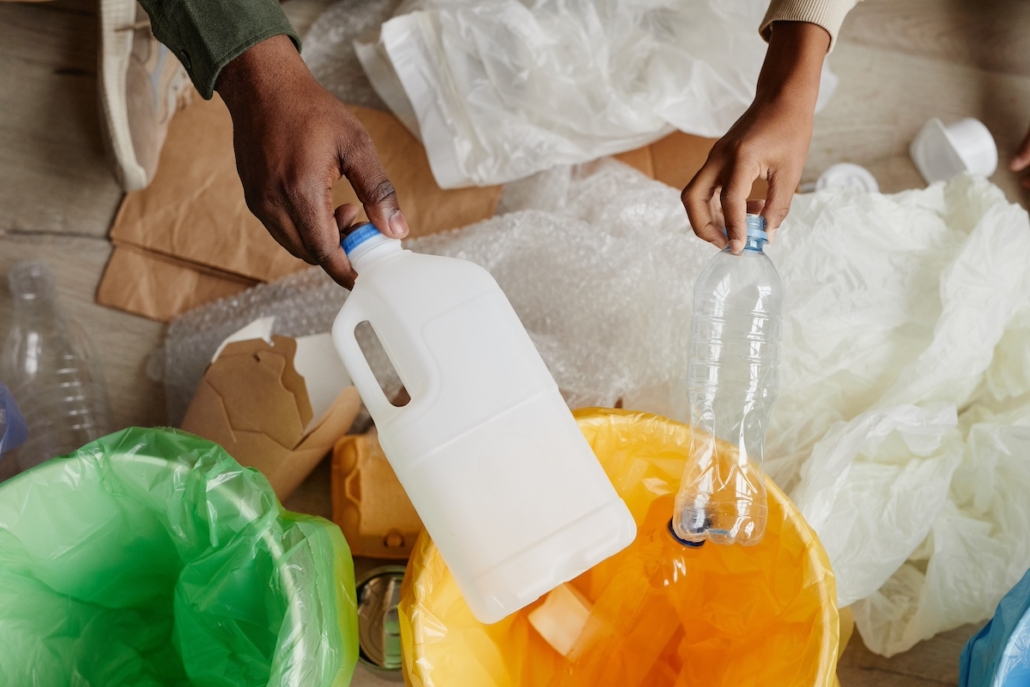
Recycling is more than a trend; it’s a global movement aimed at reducing environmental stress and ensuring a sustainable future. Among the various materials we recycle, PET (polyethylene terephthalate) stands as one of the most significant. Used extensively in packaging for beverages, cleaning products, and other consumer goods, PET Recycling plastic can be recycled efficiently, providing immense benefits both for the environment and for society.
PET recycling programs are growing in popularity, and for good reason. Not only do they address the rising concern about plastic waste, but they also offer solutions that align with modern sustainability goals. This blog explores the tremendous benefits of PET recycling programs, supported by data and insights that show how these efforts are reshaping our relationship with plastic.
Why PET Recycling is Essential
The world produces a staggering amount of plastic each year. A significant portion of this plastic comes in the form of PET, often used for bottles, jars, and food containers. Without proper disposal and recycling initiatives, this plastic ends up in landfills, incinerators, or worse—in our natural ecosystems.
Statistics show that around 91% of plastic waste worldwide is not recycled, meaning much of it contributes to pollution. PET recycling programs are specifically designed to combat this growing crisis by closing the loop on plastic usage.
Programs that focus on the recycling of PET materials provide a practical and environmentally friendly way to manage one of today’s most pressing issues.
The Benefits of PET Recycling Programs
Reduced Landfill Waste
One significant advantage of PET recycling is the reduced dependency on landfills. Landfills are rapidly reaching their capacities worldwide, and decomposing plastic in these sites releases harmful chemicals into the soil and water over time. Recycling PET addresses this issue by extracting the useful material and repurposing it for new products.
PET is unique in that it is 100% recyclable and can be transformed into new packaging, clothing fibers, automotive parts, and more. Every ton of PET recycled reduces the amount of waste sitting in landfills, paving the way for more responsible waste management practices.
Conservation of Resources
Recycling PET plastics saves valuable natural resources such as oil and natural gas. Manufacturing virgin PET materials is resource-intensive; however, recycling programs minimize this need by using already-existing PET materials.
For context, producing recycled PET uses 79% less energy than manufacturing virgin PET. This energy efficiency translates to fewer natural resources being extracted, preserving them for future generations. Additionally, PET recycling programs contribute to decreased reliance on finite fossil fuel reserves, supporting long-term environmental sustainability.
Lower Carbon Footprint
The impact of PET recycling on greenhouse gas emissions is profound. By reducing the demand for virgin plastic production, recycling programs help lower carbon dioxide emissions created during manufacturing processes. According to studies, recycling one ton of PET can reduce greenhouse gas emissions by up to 1.5 tons.
Less energy used in production results in fewer emissions, creating a ripple effect that benefits communities and ecosystems alike. PET recycling programs also expand the circular economy, where resources are reused rather than discarded, significantly reducing their environmental impact.
Protection of Oceans and Ecosystems
Plastic pollution has become a critical issue for marine ecosystems. Each year, millions of tons of plastic enter oceans, endangering marine life and disrupting aquatic habitats. PET recycling programs are instrumental in tackling this problem by preventing PET plastics from reaching water bodies in the first place.