Forex trading involves much more than simply buying and selling currencies. Successful traders use a combination of tools and strategies to make informed decisions, analyze market movements, and manage risk. Forex Traders resources are essential for developing a disciplined and effective trading approach in the dynamic currency markets.
Charting Platforms and Technical Indicators
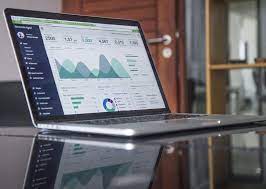
One of the most important tools for any forex trader is the charting platform. It displays price data in visual formats such as line, bar, or candlestick charts, allowing traders to monitor currency movements over different timeframes. Most platforms offer customization features, enabling users to apply multiple charts and layouts simultaneously.
Technical indicators are widely used on these charts to assist in analyzing price trends, momentum, and volatility. Some of the most popular indicators include:
- Moving Averages: Help smooth out price action and identify trend direction
- Relative Strength Index (RSI): Measures the strength and speed of a price movement
- MACD (Moving Average Convergence Divergence): Detects changes in momentum and trend shifts
- Bollinger Bands: Show volatility and potential reversal zones
These tools, when used together, can help traders identify entry and exit points more accurately.
Economic Calendars and News Feeds
Fundamental analysis plays a crucial role in forex trading. Economic calendars help traders stay aware of key events such as interest rate decisions, employment reports, and inflation data. These events often cause significant price movements, and being prepared for them is vital.
Live news feeds also provide real-time updates on political developments, central bank statements, and global events that may affect currency values. Staying informed allows traders to anticipate market reactions and adjust their strategies accordingly.
Risk Management Tools
Proper risk management is essential for preserving capital. Traders use several tools to control their exposure and minimize losses:
- Stop-Loss Orders: Automatically close a position at a predetermined loss level
- Take-Profit Orders: Lock in profits by closing a position once a target price is reached
- Position Sizing Calculators: Help determine the correct trade size based on account size and risk tolerance
These tools prevent emotional decision-making and help traders maintain a consistent approach across all trades.
Trading Strategies
There are many trading strategies, and each is suited to a different trading style and market condition. Some of the most commonly used include:
- Trend Trading: Involves identifying and following the direction of the market trend
- Range Trading: Based on the idea that prices move between support and resistance levels
- Breakout Trading: Focuses on entering trades when price breaks out of a defined range
- Scalping: A fast-paced strategy that involves opening and closing multiple trades in short timeframes
Each strategy requires different tools and levels of attention, so traders must choose one that matches their risk appetite, time availability, and experience level.
Automated Trading Tools
Some traders use Expert Advisors (EAs) or trading robots to automate their strategies. These tools are programmed to open and close trades based on specific rules. While automation can help reduce emotional trading, it requires careful testing and monitoring.
Conclusion
Forex trading is a skill that combines analysis, discipline, and the right set of tools. From charting platforms and indicators to economic news and risk management features, each tool contributes to more informed and controlled trading decisions. By selecting and mastering the right strategies and tools, traders can build a solid foundation for long-term success in the forex market.